
USB Cable Technical Guide: Matching Current, Power, Length, Interface, and Jacket to Your Device
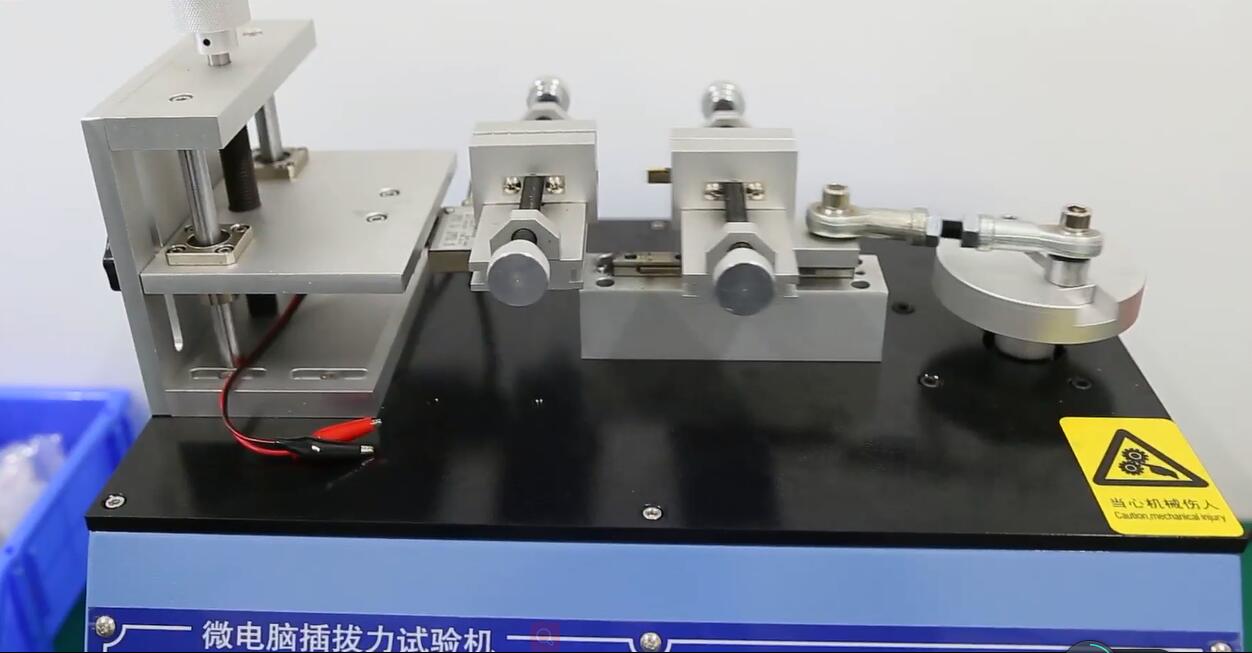
Quick answer: a USB cable matches a device only when five parameters line up at the same time — maximum current and power tier, data throughput, cable length, interface combination, and jacket and conductor construction. In the Focuses USB CABLE range, that choice runs from a PVC-sheathed 1A–2.4A cable up to 6A / 120W–240W cables built on tinned pure copper or high-purity tinned copper cores, in 0.3 m to 2 m lengths, with USB-A or USB-C source connectors feeding Type-C, Lightning, or Micro USB ends, and with jacket options covering PVC, nylon braided, eco-friendly TPE, soft food-grade silicone, and IPX7 sealed integrated molding.
This guide is written for buyers and product engineers who already know the connector they need, but still have to prove that the cable behind that connector will survive the device, the user, and the environment. It works parameter by parameter, states which values are documented for each Focuses model, and finishes with a matching workflow, a use-case matrix, and a comparison table that can be reused directly in a specification discussion or an OEM/ODM brief.
What "It Fits" Does Not Tell You
The most common sourcing mistake in USB cables is treating connector fit as the finished engineering decision. A Lightning USB Cable, a Type-C Cable, and a Micro USB cable can all click into place and still behave completely differently in the same device, because the connector only defines the mechanical interface — not the current the cable can carry, the data rate it can hold, or the temperature and moisture it can tolerate.
Three failure patterns follow from that gap. First, an under-rated cable on a high-power device limits charging and converts the missing energy into heat. Second, a long, thin cable adds resistance and data errors that a bench test with a short sample will never reveal. Third, a cable with the correct electrical rating still fails in the field if its jacket cannot handle sweat, humidity, abrasion, or sub-zero outdoor use.
A practical matching brief therefore has to answer five questions before a sample is even requested:
- Current and power: does the device draw within 1A–2.4A, or does it need a 6A cable supporting 120W or 240W fast charging?
- Data: is the cable used for charging only, or does it also need 480 Mbps sync — and does the model support both functions?
- Length: is the right option 0.3 m, 1 m, 1.5 m, or 2 m for the way the device is charged?
- Interface: which combination of USB-A or USB-C source to Type-C, Lightning, or Micro USB destination is required?
- Jacket and conductor: PVC, nylon braided, TPE, silicone, or IPX7 sealed integrated molding, over pure copper, tinned pure copper, or high-purity tinned copper.
Industry Background: Why Cable Specification Became a Market Decision
USB cable selection stopped being a purely technical question once regulators and marketplaces began defining what may be sold. The global USB cable market was estimated at USD 21.2 billion in 2024 (DataHorizzon Research), and USB Type-C held a 41.2% share of USB cable sales in 2025 (Dataintelo), which means Type-C variants now set the default expectation for both retail lines and OEM programs.
Compliance follows that shift. The European Union requires all handheld mobile phones, tablets, and cameras sold after 28 December 2024 to use a USB Type-C charging port and comply with EN IEC 62680-1-3:2022, while fast-charging devices in the EU market that support USB Power Delivery must comply with EN IEC 62680-1-2:2022 (European Commission / UL Solutions; USB-IF / IEC). In the United States, Amazon requires USB Type-C cables to meet the UL 9990 safety standard for ICT power cables to avoid listing removal (UL Solutions / Amazon policy).
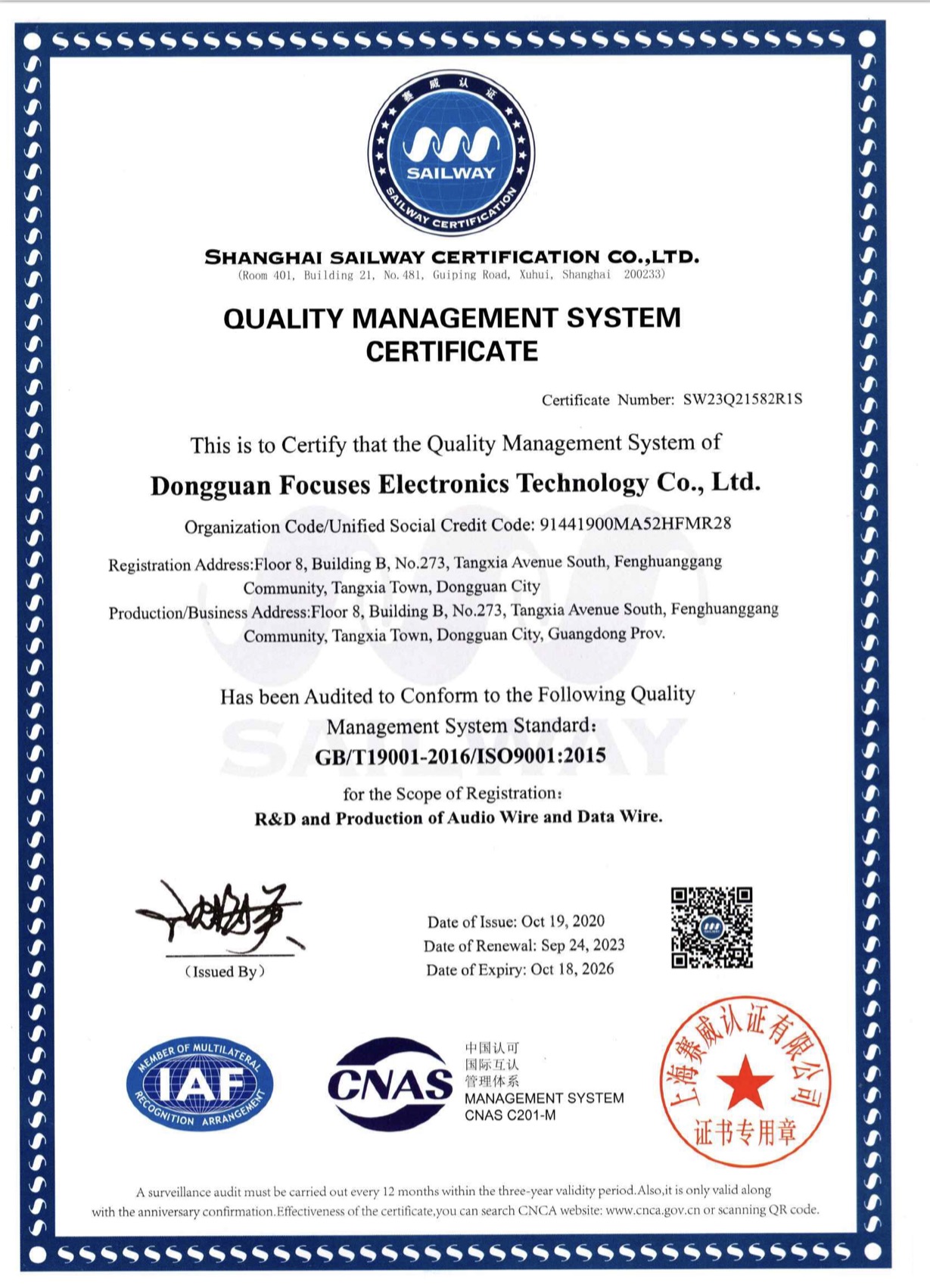
The practical consequence for buyers is that a cable program is now judged on two records at once: the electrical and mechanical parameters that make the product work, and the documentation that lets it be sold. Focuses Electronics operates a documented quality system for exactly that reason — its ISO 9001:2015 certificate (certificate number SW23Q21582R1S, issued by SAILWAY) covers the R&D and production of audio wire and data wire and remains valid through 18 October 2026.
The Five Matching Parameters in Detail
1. Current and Power: 1A–2.4A or the 6A / 120W–240W Tier
Current rating is the first parameter to fix, because it cannot be corrected later by packaging or branding. The Focuses CB-PVC model is specified for a charging current of 1A–2.4A with a pure copper conductor and supports both fast charging and data transmission. Every other documented range — CB-Nylon, CB-TPE, CB-SILICONE, and the CB-Waterproof cable — is specified for a maximum charging current of 6A, with supported output power of 120W / 240W ultra-fast charging.
A simple decision rule follows from those tiers. If the end device is a phone, a tablet accessory, or a low-draw peripheral charged from a standard adapter, the 1A–2.4A tier is electrically sufficient and usually the most economical choice. If the program includes laptops, high-power power banks, or any device marketed around fast charging, the specification should start at the 6A / 120W–240W tier, because a lower-rated cable in that chain caps the power that can pass through it regardless of the charger behind it.
2. Data Throughput: What 480 Mbps Covers
Data performance is documented at 480 Mbps transfer speed on the CB-PVC, CB-Nylon, CB-SILICONE, and CB-Waterproof cable models. The CB-TPE model is described by its dual function — charging and data sync — rather than by a stated transfer rate. 480 Mbps is the classic High-Speed USB data rate: it is well matched to file sync, device management, firmware updates, and everyday phone-to-computer transfers, and it is not intended for large-volume high-speed data work.
This is where the word combination in the secondary keyword set matters. A USB Data Cable, a USB Sync and Charge Cable, and a Fast Charging Cable can look identical at the connector, but a buyer who needs sync should confirm the data rate explicitly, while a buyer who only needs charging should not pay for data capability that the end user will never use. For OEM/ODM programs, this decision belongs in the specification sheet before tooling and molding are confirmed.
3. Length: 0.3 m to 2 m Redefines the Brief
Length is a mechanical parameter with an electrical consequence. CB-Nylon, CB-TPE-based designs, CB-SILICONE, and the CB-Waterproof cable are offered at 0.3 m, 1 m, 1.5 m, and 2 m, while the CB-PVC model is offered at 0.5 m, 1 m, 1.5 m, and 2 m. Longer runs generally mean higher resistance and a greater chance of voltage drop at the device, so the shortest cable that fits the use case is usually the better engineering answer.
In practice, the option list maps cleanly to user behavior. 0.3 m suits power banks and short travel carry; 1 m is the default for desk and nightstand charging; 1.5 m reaches comfortably from a wall outlet to a sofa arm; 2 m is the choice when the outlet sits behind furniture. A 0.5 m PVC cable covers the same short-run need in the 1A–2.4A tier. For retail and wholesale programs, the 0.3 m to 2 m spread also makes it possible to build a single product family with several SKUs instead of several unrelated cables.
4. Interface Combinations: USB-A or USB-C to Type-C, Lightning, and Micro USB
The documented interface matrix is deliberately narrow and symmetrical. The CB-PVC model covers USB A, Lightning, Type-C, and Micro USB connectors. CB-Nylon, CB-SILICONE, and the CB-Waterproof cable are specified as USB-A / USB-C to Type-C / Lightning / Micro USB, and the CB-TPE model is described as using a multi-type USB port.
That matrix answers the most common sourcing question directly: a single cable family can serve an Apple USB Cable requirement, a Type-C Cable requirement, and a legacy Micro USB requirement without changing the jacket or conductor platform. Multi-device designs are also supported at the customization stage — the Focuses customization scope includes multi-function design alongside cable molding and connector housing color, and case records note support for multi-device simultaneous charging with wide compatibility with Type C devices through a 3-in-1 multifunctional charging cable format.
5. Jacket and Conductor: PVC, Nylon Braided, TPE, Silicone, and IPX7
Jacket choice is the parameter that determines where a cable is allowed to live. Five documented constructions cover the range:
- PVC (CB-PVC): PVC outer sheath over a pure copper conductor, rated 1A–2.4A, 480 Mbps, and an operating temperature of −10 °C to 60 °C.
- Nylon braided (CB-Nylon): nylon braided shell over a PVC inner layer, tinned pure copper core, 6A, 120W / 240W, 480 Mbps, −10 °C to 70 °C.
- TPE (CB-TPE): eco-friendly TPE outer material over a tinned copper wire core, 6A, 120W and 240W, dual charging and data sync function, described as soft, flexible, and wear-resistant.
- Silicone (CB-SILICONE): soft food-grade silicone sheath over a high-purity tinned copper core, 6A, 120W / 240W, 480 Mbps, −20 °C to 70 °C, and described as skin-friendly, odorless, anti-kink, wear-resistant, anti-freezing, and flexible.
- Waterproof (CB-Waterproof cable): silicone, TPE, or nylon braided outer material with sealed integrated molding, high-purity tinned copper core, 6A, 120W / 240W, 480 Mbps, IPX7 waterproof and dustproof, −20 °C to 70 °C, and described as waterproof, dustproof, sweat-proof, anti-corrosion, and wear-resistant.
Conductor selection is the second half of the same decision. The documented range uses pure copper in the PVC model, tinned pure copper in the nylon braided model, tinned copper in the TPE model, and high-purity tinned copper in the silicone and waterproof models. Tinned copper is generally chosen where moisture or sulphur exposure is a concern, because the coating protects the strand surface; high-purity tinned copper is positioned for the higher-current, longer-life applications in the range. Custom logo printing is acceptable on the documented models for branding purposes.
Comparison Table: Focuses Cable Ranges by Matched Parameter
| Model | Interface | Conductor | Jacket | Max current | Power tier | Data | Lengths | Operating temperature |
|---|---|---|---|---|---|---|---|---|
| CB-PVC | USB-A, Lightning, Type-C, Micro USB | Pure copper | PVC outer sheath | 1A–2.4A | Fast charging and data transmission supported | 480 Mbps | 0.5 m, 1 m, 1.5 m, 2 m | −10 °C to 60 °C |
| CB-Nylon | USB-A / USB-C to Type-C / Lightning / Micro USB | Tinned pure copper core | Nylon braided shell + PVC inner layer | 6A | 120W / 240W | 480 Mbps | 0.3 m, 1 m, 1.5 m, 2 m | −10 °C to 70 °C |
| CB-TPE | Multi-type USB port | Tinned copper wire | Eco-friendly TPE | 6A | 120W & 240W | Charging and data sync | Not listed for this model | Not listed for this model |
| CB-SILICONE | USB-A / USB-C to Type-C / Lightning / Micro USB | High-purity tinned copper core | Soft food-grade silicone | 6A | 120W / 240W | 480 Mbps | 0.3 m, 1 m, 1.5 m, 2 m | −20 °C to 70 °C |
| CB-Waterproof cable | USB-A / USB-C to Type-C / Lightning / Micro USB | High-purity tinned copper core | Silicone / TPE / nylon braided, sealed integrated molding, IPX7 | 6A | 120W / 240W | 480 Mbps | 0.3 m, 1 m, 1.5 m, 2 m | −20 °C to 70 °C |
Step-by-Step: Matching a Cable to a Device and Environment
- Identify the destination port. Confirm whether the device end is Type-C, Lightning, or Micro USB, and whether the source end is USB-A or USB-C. This fixes the interface row in the table above and eliminates roughly half the option list immediately.
- Set the power target. If the device draws within 1A–2.4A, the CB-PVC tier is electrically sufficient. If the program includes laptops, power banks, or fast-charging marketing claims, start at the 6A / 120W–240W tier.
- Decide whether data is required. Sync, firmware, and file transfer need a documented rate, which is 480 Mbps across the CB-PVC, CB-Nylon, CB-SILICONE, and CB-Waterproof models. The CB-TPE model is specified for charging and data sync.
- Choose the shortest workable length. Select from 0.3 m, 1 m, 1.5 m, or 2 m (0.5 m minimum on CB-PVC) based on where the charger sits relative to the user, not on where a longer cable might be convenient.
- Match the jacket to the environment. Indoor dry use suits PVC or TPE; abrasion-heavy daily use suits nylon braided; skin contact and cold outdoor use suit silicone; moisture, sweat, rain, and dust suit the IPX7 waterproof construction.
- Confirm conductor and temperature. Verify that the conductor type and the operating temperature range cover the coldest and hottest conditions the product will realistically see.
- Lock the commercial terms. Confirm customization items, packaging, quantity, inspection criteria, and lead time before tooling, so that the matched specification survives into production unchanged.
Use-Case Selection Matrix
The matrix below translates the parameter data into the six environments named in the sourcing brief, so that a buyer can move from scenario to model without re-reading the specification table.
| Use environment | Recommended range | Why it matches |
|---|---|---|
| Daily indoor charging at a desk or nightstand | CB-PVC, or CB-TPE for a softer feel | 1A–2.4A is sufficient for phone and tablet charging; PVC offers 0.5 m to 2 m; TPE is described as soft, flexible, and wear-resistant |
| Laptop and high-power fast charging | CB-Nylon or CB-SILICONE | 6A with 120W / 240W support, tinned copper class conductors, 480 Mbps data |
| Outdoor travel and pocket carry | CB-Nylon (0.3 m option) or CB-SILICONE | Short-length option, anti-kink and flexible construction, abrasion-resistant jacket |
| Humid bathroom or kitchen | CB-Waterproof cable | IPX7 waterproof and dustproof, sealed integrated molding |
| Sweaty sports and fitness use | CB-Waterproof cable or CB-SILICONE | Sweat-proof, anti-corrosion, skin-friendly, odorless, wear-resistant |
| Low-temperature outdoor use | CB-SILICONE or CB-Waterproof cable | Operating temperature of −20 °C to 70 °C with anti-freezing silicone |
| Rainy, marine, or automotive environments | CB-Waterproof cable | IPX7 sealing with silicone, TPE, or nylon braided outer material, anti-corrosion |
| Corporate gifts and retail lines | CB-Nylon or CB-SILICONE | Custom logo printing supported; appearance, length, and packaging can be customized |
From Matched Specification to OEM/ODM Production
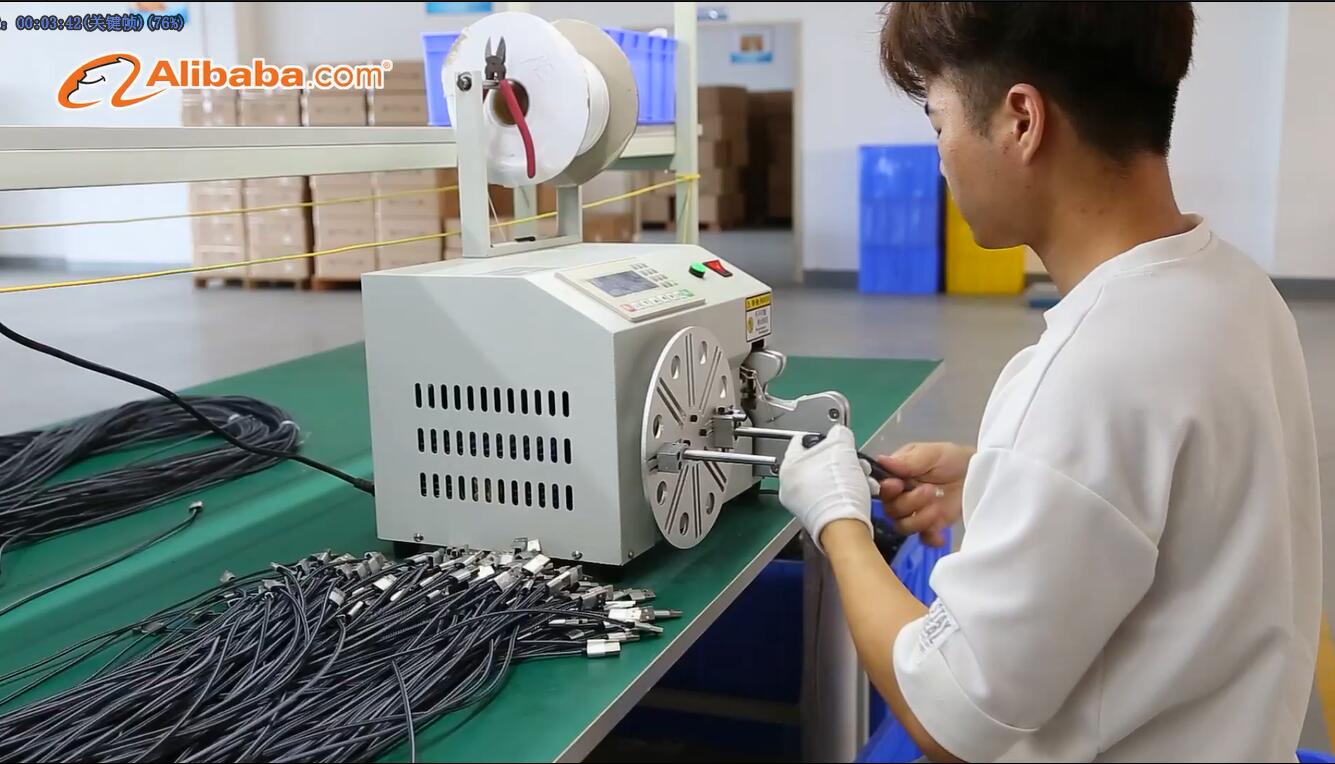
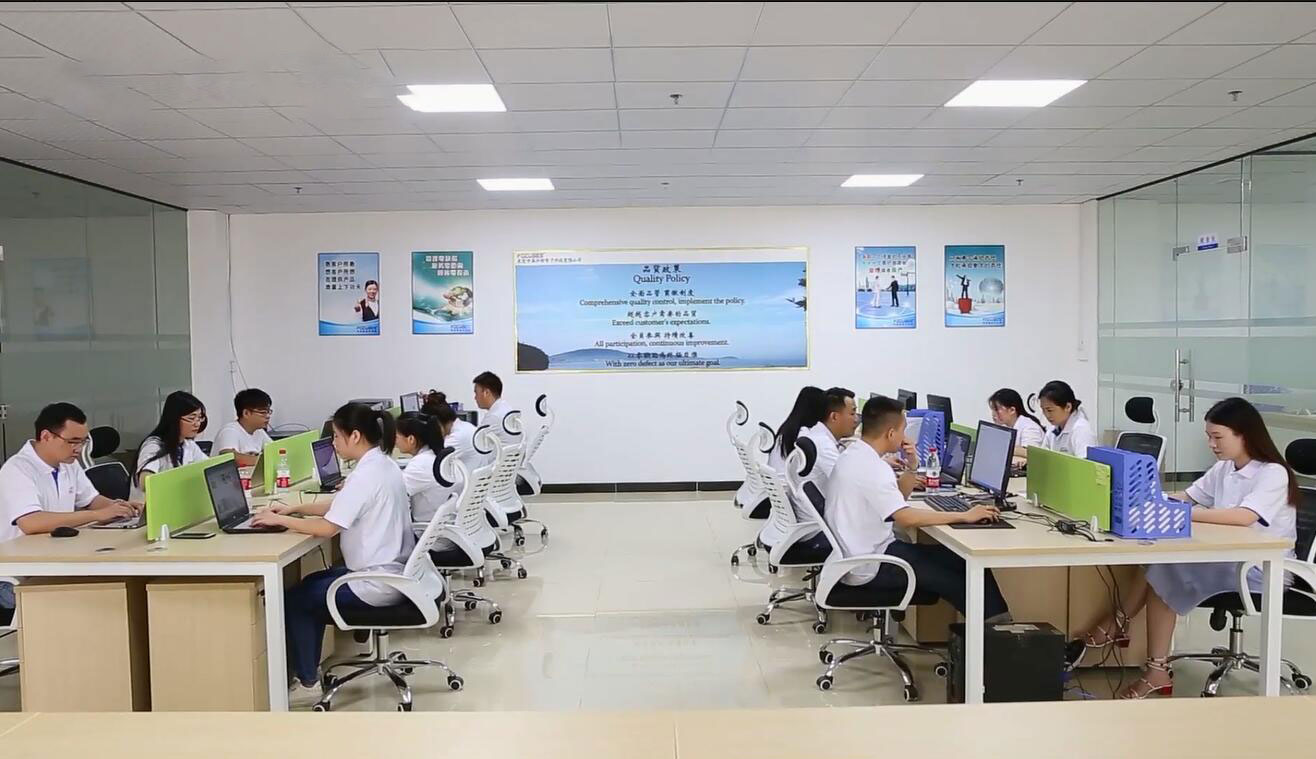
Once the five parameters are fixed, the remaining question is whether the supplier can hold them at volume. DongGuan Focuses Electronics Technology Co., Ltd. is a manufacturer of USB CABLE products operating from a 6,000 m² facility in Tangxia Town, Dongguan, relocated there in 2018, with 150 employees and six R&D engineers. The company works in ODM and OEM production modes, with a monthly capacity of 2,500,000 units and an annual output of 25,000,000 units, and exports approximately 90% of production to the EU, North America, and Asia.
Customization is where the matching work is converted into a product. The documented customization scope covers logo printing, cable color, power, cable appearance, cable materials, cable molding, multi-function design, connector housing color, cable length, packaging style, and packaging design. Quality control is stated as 100% full inspection before shipment, typical lead time is 25–35 days, and the minimum order quantity is 2,000 units. Commercial terms for procurement follow a standard export pattern: MOQ 2000 pcs, delivery terms FOB Shenzhen or EXW, pre-shipment test as the acceptance criterion, and payment terms of 30% deposit with 70% balance before shipment.
Field data from the current customer base gives a reference point for how matched specifications behave in volume. Case records covering digital accessory wholesalers and corporate gift purchasers in Indonesia, the United States, Germany, and the United Kingdom cover orders of 5,000–30,000 pcs used for daily phone charging, corporate customized gifts, retail sales, and car use. The recorded results are stable fast charging speed, durable braided wire, and low heating during long-time charging, with a reported normal service life of over two years and a product warranty of 1 year. After-sales support includes a 12-month warranty and free technical guidance for charging compatibility issues during the warranty period.
FAQ
Which certifications should a USB cable program document before it ships?
Focuses Electronics holds ISO 9001:2015 certification, certificate number SW23Q21582R1S, issued by SAILWAY, with a registration scope covering R&D and production of audio wire and data wire, valid from 19 October 2020 to 18 October 2026. Market-entry rules sit alongside that quality certificate and depend on where the product is sold: the EU requires handheld mobile phones, tablets, and cameras sold after 28 December 2024 to use a USB Type-C charging port and comply with EN IEC 62680-1-3:2022, EU fast-charging devices supporting USB Power Delivery must comply with EN IEC 62680-1-2:2022, and Amazon US requires USB Type-C cables to meet UL 9990 for ICT power cables to avoid listing removal. Buyers should state the destination market at the specification stage so the correct documents are attached to the order.
Are Focuses Electronics cables available as OEM and ODM products rather than standard stock items?
Yes. Focuses Electronics operates in ODM and OEM production modes and customizes logo printing, cable color, power, cable appearance, cable materials, cable molding, multi-function design, connector housing color, cable length, packaging style, and packaging design. The company runs a 6,000 m² facility in Tangxia Town, Dongguan, with 150 employees and six R&D engineers, a monthly capacity of 2,500,000 units, an annual output of 25,000,000 units, and quality control based on 100% full inspection before shipment. This is an OEM USB CABLE manufacturing and customization capability rather than a rebranding service, which is why the electrical and mechanical parameters covered in this guide are confirmed during customization rather than after production.
What commercial terms should a buyer budget for?
The minimum order quantity is 2,000 units, delivery terms are FOB Shenzhen or EXW, the acceptance criterion is a pre-shipment test, and payment terms are 30% deposit with 70% balance before shipment. Typical production lead time is 25–35 days. Because the price of a USB cable program is driven by the selected specification — jacket material, conductor type, current tier, data capability, length, and packaging — the specification should be finalized before quotes are compared, otherwise the compared quotes are not for the same product.
How is a matched specification validated before bulk production?
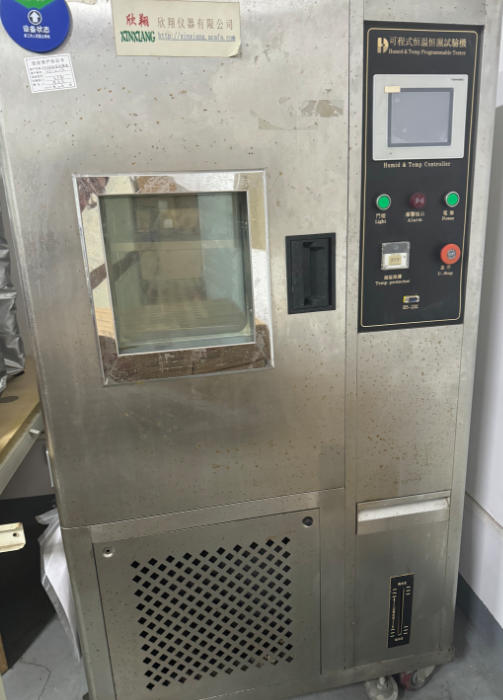
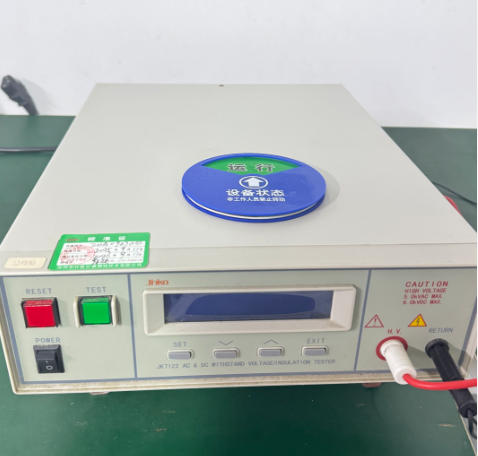
Validation is built into the documented process: quality control is defined as 100% full inspection before shipment, and the procurement acceptance criterion is a pre-shipment test. Electrical and mechanical parameters such as charging current, output power, transfer speed, cable length, and jacket type are documented per model, so the inspection can be checked against a written specification rather than against a visual impression. For programs that need proof of real-world behavior, the existing case record for wholesalers and corporate gift purchasers covers orders of 5,000–30,000 pcs with a reported service life of over two years, low heating during long-time charging, and a 1-year product warranty.
What is the lead time and after-sales coverage after ordering?
Typical production lead time is 25–35 days from order confirmation, depending on the customization scope and order quantity. After-sales support includes a 12-month warranty and free technical guidance for charging compatibility issues during the warranty period. Buyers who want to start the matching process can download the 2026 Focuses Catalogue or send the five-parameter brief — current, power, data, length, interface, and jacket — directly to the sales contact for a specification reply.
Next Step: Match, Then Order
Send the connector type, current tier, data requirement, cable length, and environment the cable will be used in. Focuses Electronics will map those five parameters onto the CB-PVC, CB-Nylon, CB-TPE, CB-SILICONE, or CB-Waterproof range, confirm the customization items listed above, and return a specification and quotation.
2026 Focuses Catalogue (PDF): Download the full cable catalogue
DongGuan Focuses Electronics Technology Co., Ltd.
Website: www.focusestech.com
Contact: Alice Deng | Email: info@focusestech.com | Tel / WhatsApp: +86 180-2697-6650
Address: 8F HuiQing Industrial Park, TangXia Avenue South, Tangxia Town, Dongguan, Guangdong, China
Conclusion
A USB cable is matched, not chosen. The Focuses range makes the decision concrete: 1A–2.4A with a PVC sheath for everyday low-power use, 6A with 120W / 240W fast charging for high-power devices, 480 Mbps data for sync and charge programs, 0.3 m to 2 m lengths to fit real charging positions, USB-A or USB-C sources feeding Type-C, Lightning, or Micro USB ends, and five jacket platforms — PVC, nylon braided, TPE, silicone, and IPX7 sealed integrated molding — to cover indoor, outdoor, humid, sweaty, cold, and wet environments. Fix those five parameters in writing, confirm them against the model table above, and the specification survives the order, the inspection, and the field.
Have Questions or Need More Details?
Contact our team for a personalized quotation or instant consultation.
Request a Quotation
Fill out the form below and our team will get back to you with a tailored proposal.
WhatsApp Direct Chat
Prefer to chat in real-time? Message us on WhatsApp for instant assistance & quick answers.
- Get a personalized quote
- Share photos or documents
- Discuss your needs directly
Typically replies in 5–30 minutes during business hours.