
PVC vs Nylon vs TPE vs Silicone vs IPX7: Choosing a USB Cable Jacket for OEM Orders
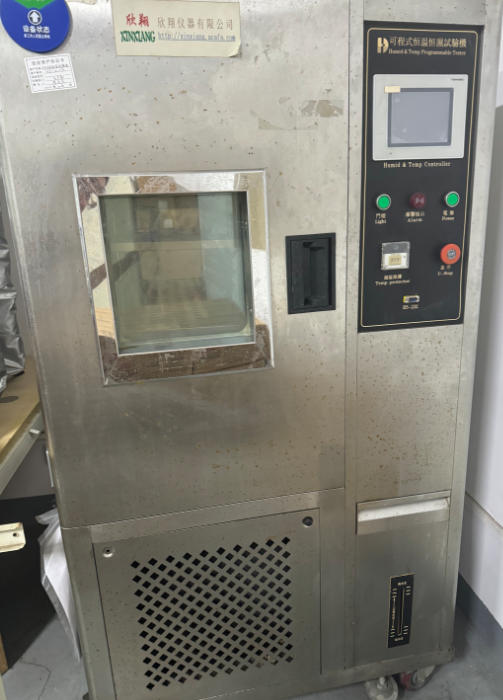
Laboratory equipment at Dongguan Focuses Electronics Technology Co., Ltd., where cable builds are validated before bulk production.
The jacket is the only part of a USB cable a buyer can inspect before the cable is opened, plugged in and tested, and it is also the part that quietly sets the limits on current, flexibility, service life and moisture protection. For an importer or brand owner placing a 2,000-unit order, the jacket decision is therefore not cosmetic. It decides which specifications the finished SKU can honestly carry.
The five Focuses jacket builds divide along clear lines. CB-PVC covers standard 1A–2.4A charging with 480 Mbps data. CB-Nylon adds a braided shell around a tinned pure copper core for abrasion resistance. CB-TPE is the 6A build for 120W and 240W fast charging. CB-SILICONE uses a soft food-grade silicone sheath with a stated operating range of -20°C to 70°C. CB-Waterproof uses an IPX7 sealed construction. Each answers a different purchasing problem, and each fails in a different way when it is chosen for the wrong job.
This guide compares those five builds by jacket material, charging and data capability, durability features and application fit, then maps the comparison onto the decisions an OEM buyer actually has to make: customization scope, minimum order quantity, lead time, inspection and warranty.
Problem Definition: What the Jacket Material Actually Decides
Four properties move together whenever the jacket changes, and buyers who evaluate only one of them usually end up with a mismatched SKU.
- Current headroom. The jacket sits on top of the conductor and insulation. A soft, thick or tightly bonded jacket affects heat dissipation and how much copper can physically fit inside the cable diameter. CB-TPE is positioned for 6A and 120W–240W charging; CB-PVC is positioned for standard 1A–2.4A charging.
- Mechanical life. Abrasion and repeated bending are surface problems before they become electrical problems. A nylon braided shell resists abrasion at the points where a cable is dragged across a desk or a car console; a silicone sheath prioritises softness over abrasion resistance.
- Temperature behaviour. Silicone keeps its flexibility where a stiffer compound would harden. The stated CB-SILICONE operating range is -20°C to 70°C, which matters for cold-climate retail programmes.
- Ingress protection. Sealing is a construction decision, not a material decision. CB-Waterproof is defined by IPX7 sealed protection, which requires specific molding and sealing work around the connector body.
The most common sourcing error is to shortlist samples by appearance and unit price, then discover at the sample-testing stage that the chosen jacket cannot support the requested wattage or cannot survive the退货 pattern the retail channel expects. A second common error is the reverse: over-specifying a sealed or silicone build for a product that only needs standard charging, which raises cost without adding value the end user can perceive.
A practical decision rule is to fix the electrical target first, the mechanical environment second, and the jacket third. Buyers who reverse that order spend the sample round correcting hardware instead of confirming it.
Industry Background: Why Jacket Selection Became a 2026 Procurement Question
Three market forces have pushed jacket specification out of the design department and into the purchase order.
Market scale and interface consolidation. The global USB cable market was valued at USD 24.24 billion in 2025 according to The Insight Partners. Future Market Insights reports USB Type-C market demand reaching USD 38.54 billion in 2026, with 58.0% of that demand coming from receptacles. The two figures are measured differently and should not be added together, but both point the same way: the volume of cable SKUs is large, and an increasing share of it is Type-C based. That makes jacket choice a portfolio decision rather than a single-product decision.
Copper cost discipline. Copper materials account for 60%–80% of total manufacturing costs for standard USB cables, per SMM (Shanghai Metals Market). SMM also recorded international copper prices hitting USD 13,000–13,300 per metric ton in early 2026. When the dominant cost line moves that sharply, the temptation to compensate through thinner conductors or cheaper compounds rises. Buyers who specify jacket material and conductor type in writing close that gap before it reaches the sample.
Regulatory and standards pressure. The EU Common Charger requirements apply to specified categories of portable radio equipment, including handheld mobile phones, tablets, digital cameras, headphones, headsets, handheld videogame consoles, portable speakers, e-readers, earbuds, keyboards, mice and portable navigation systems, from 28 December 2024, and to laptops from 28 April 2026. The same EU guidance identifies USB-C as the harmonised charging receptacle and references power options including USB 2.0, USB 3.2, USB 4, USB Battery Charging 1.2, USB Type-C Current 1.5 A, USB Type-C Current 3.0 A and USB Power Delivery. On the technical side, IEC 62680-1-3:2024 defines USB Type-C receptacles, plugs and cables, and USB Power Delivery Specification Revision 3.2 defines fast charging protocols enabling up to 240W over USB Type-C cables.
The procurement consequence is simple. A cable that looks like a USB-C cable is not evidence that it supports the current, data rate or power level printed on the retail packaging. Jacket and conductor specification is the first place that gap shows up, which is why material comparison now sits inside supplier qualification rather than outside it.
Detailed Solution: The Five Focuses Jacket Builds, Specified
Focuses manufactures USB cables at a 6,000 m² facility in Tangxia Town, Dongguan, and supplies ODM and OEM production to buyers in the EU, North America, the Middle East and Asia. The five jacket builds below are the standard options that most bulk enquiries are matched against.
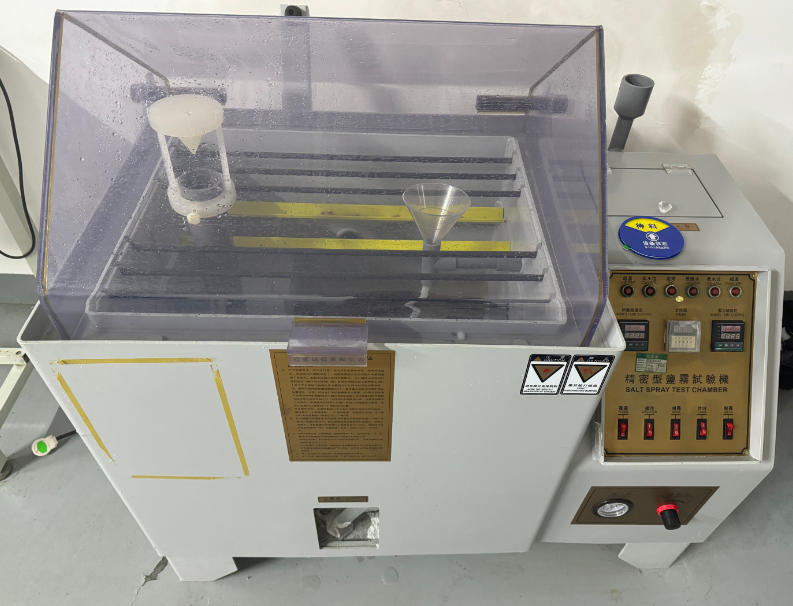
Laboratory equipment used to check jacket and conductor builds before a sample is approved.
CB-PVC: the standard-charging workhorse
CB-PVC uses a PVC jacket over tinned copper conductors and is defined for standard 1A–2.4A charging with 480 Mbps data transfer. Its value is predictability: PVC molds consistently, holds print detail well and suits high-volume programmes where the cable is bought as a functional accessory rather than a premium product.
Where it fits: standard mobile phone cable lines, bulk data cable orders, promotional and corporate gift builds, and entry-price retail SKUs.
Where it does not: PVC is the least forgiving option under repeated tight bending and in low temperatures, and it is not the build to specify when the device expects 6A charging. A 480 Mbps data cable and a 240W fast charging cable are different products, even when both carry the same connector.
CB-Nylon: braided durability over a tinned pure copper core
CB-Nylon pairs a nylon braided shell with a tinned pure copper core. Some builds in this family combine materials, using a PVC inner layer with a nylon braided outer shell, which keeps the molding behaviour of PVC at the connector while adding abrasion resistance along the cable body.
Where it fits: braided USB cable retail lines, daily phone charging, car use, custom logo USB cable programmes and multi-device cables where the cable is handled constantly. Wholesale and corporate-gift programmes delivered by Focuses in Indonesia, the United States, Germany and the United Kingdom reported durable braided wire, stable fast charging and low heating during long-time charging, with a normal service life over two years.
Where it does not: braiding adds process steps and material cost, and the quality of the braid-to-connector transition decides whether the cable frays at the strain relief. Buyers should inspect that transition on the sample, not on a rendered product image.
CB-TPE: the 6A fast-charging build
CB-TPE uses a TPE jacket and is specified for 6A charging at 120W and 240W. TPE gives a softer hand feel than PVC while allowing a build that can carry higher current, which is the combination fast-charging retail lines need.
Where it fits: fast charging cable SKUs, USB-C cable kits sold with high-wattage chargers and power banks, and OEM ODM phone charger bundles where the cable is part of a system rather than an accessory.
Where it does not: the 120W and 240W ratings are build-level claims, not jacket-level claims. USB Power Delivery Specification Revision 3.2 defines up to 240W over USB Type-C cables, but a cable only reaches that figure when conductor gauge, connector and assembly are all validated together. A TPE jacket alone does not create the rating, and a purchase order should state which wattage the specific SKU is being validated against.
CB-SILICONE: food-grade silicone for softness and cold
CB-SILICONE is made with a high-purity tinned copper core inside a soft food-grade silicone sheath, with a stated operating range of -20°C to 70°C. Silicone is chosen when the cable has to stay soft in the hand and stay flexible when the temperature drops.
Where it fits: cold-climate retail markets, premium accessory lines, and products where the cable is in sustained skin contact or handled by children.
Where it does not: a soft sheath is not an abrasion-resistant sheath. Silicone is the wrong specification for a cable that is dragged across rough surfaces daily, and it carries a higher unit cost than PVC, so it should be reserved for SKUs where the softness is a selling point.
CB-Waterproof: IPX7 sealed protection
CB-Waterproof is defined by IPX7 sealed protection, which addresses temporary immersion rather than splashes alone. The build depends on sealing around the connector body, so the jacket and the molding have to be specified together.
Where it fits: sports and outdoor retail lines, humid environments such as kitchens and bathrooms, and extension runs where the cable sits between an outlet and a device in a damp area.
Where it does not: sealing does not compensate for an undersized conductor. A waterproof cable still has to meet its stated current rating, and the seal has to be confirmed at sample stage rather than assumed from the rating name.
USB Cable Material Comparison Table
The table below compares the five builds only on facts that are defined for each model. Where a value is set per order rather than fixed by the jacket, it is marked accordingly rather than assumed.
| Model | Jacket material | Charging capability | Data capability | Durability / protection feature | Best-fit application |
|---|---|---|---|---|---|
| CB-PVC | PVC | 1A–2.4A standard charging | 480 Mbps | Tinned copper conductor; consistent molding and print finish | Mobile phone cable, bulk data cable, promotional and gift SKUs |
| CB-Nylon | Nylon braided shell, often over a PVC inner layer | Standard charging as specified per build | As specified per build | Tinned pure copper core; braided abrasion resistance; bend-resistant | Retail braided USB cable, daily charging, car use, multi-device |
| CB-TPE | TPE | 6A; 120W / 240W fast charging | As specified per build | Soft-touch flexible jacket for high-current builds | Fast charging cable, USB-C cable kits, charger bundles |
| CB-SILICONE | Soft food-grade silicone | As specified per build | As specified per build | High-purity tinned copper core; -20°C to 70°C operating range | Cold-climate retail, premium accessory lines, skin-contact use |
| CB-Waterproof | Sealed construction with IPX7 protection | As specified per build | As specified per build | IPX7 sealed protection against temporary immersion | Sports and outdoor lines, humid environments, damp extension runs |
Data capability and charging values marked as specified per build are confirmed against the individual purchase order; jacket material alone does not determine them.
Step-by-Step: Specifying a Jacket for an OEM Order
The sequence below is the order that keeps a material decision from being reversed late in production. It applies equally to a custom logo USB cable and to a 3 in 1 multifunctional charging cable.
- Set the electrical target first. Write down the current, wattage and data rate the SKU must support. Standard charging at 1A–2.4A with 480 Mbps points to CB-PVC. A 6A requirement with 120W or 240W points to CB-TPE. Fixing this first eliminates half of the range immediately.
- Describe the mechanical environment. Abrasion, repeated bending, cable length and handling style decide between a braided shell and a smooth extruded jacket. A cable that lives in a bag needs different surface behaviour from one that stays plugged into a desk.
- Add the environmental requirement. Cold-climate markets and softness-driven premium lines point to CB-SILICONE at -20°C to 70°C. Moisture exposure points to CB-Waterproof with IPX7 sealed protection.
- Confirm the customization scope in the same document. Focuses offers ODM and OEM services with customization covering logo printing, cable color, power, cable appearance, cable materials, cable molding, multi-function design, connector housing color, cable length, packaging style and packaging design. Jacket material sits inside that list, which means it can be changed without changing supplier.
- Freeze the sample and the acceptance criteria together. The acceptance criterion on Focuses orders is a pre-shipment test, and quality control is 100% full inspection before shipment. Ask specifically what the pre-shipment test checks for the chosen jacket, so that the standard is agreed before the first carton is packed.
- Size the order against capacity. The minimum order quantity is 2,000 units, monthly capacity is 2,500,000 units and annual output reaches 25,000,000 units. Wholesale and gift programmes handled by Focuses typically run at 5,000–30,000 pcs per order, which sits comfortably inside that capacity.
- Lock commercial and after-sales terms. Delivery terms are FOB Shenzhen or EXW, payment terms are 30% deposit with 70% balance before shipment, and the typical production lead time is 25–35 days. After-sales support is a 12-month warranty with free technical guidance on charging compatibility issues during the warranty period.
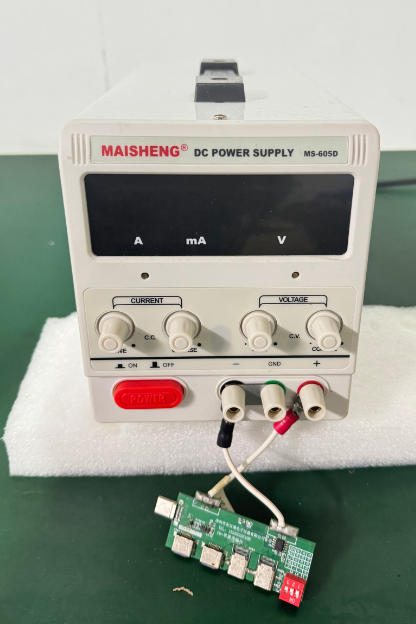
Testing equipment associated with pre-shipment inspection, where the agreed jacket specification is confirmed before packing.
Use Cases: Matching the Jacket to the Sales Channel
Corporate gift and promotional programmes. These orders are judged on print quality, appearance and delivered consistency rather than on high-wattage charging. CB-PVC is usually the right base, with logo printing and packaging design carrying the branding. Volumes in this channel commonly run from 5,000 to 30,000 pcs per order.
Mobile accessory retail. Shelf competition rewards visible durability. A braided USB cable communicates abrasion resistance before the shopper reads the packaging, which is why CB-Nylon with a tinned pure copper core is a common choice for retail and car-use SKUs.
Fast-charging kits. When the cable ships alongside a high-wattage charger or power bank, the cable must support the charger it is bundled with. CB-TPE at 6A and 120W–240W is the build that matches that promise, and the packaging claim should state the wattage the specific SKU was validated at.
Cold-climate and premium lines. A stiffer jacket in winter is a return reason in northern markets. CB-SILICONE at -20°C to 70°C keeps hand feel and flexibility, and its food-grade silicone sheath supports the premium positioning the channel needs.
Sports, outdoor and humid environments. Sweat, rain and kitchen splashes are removal-of-doubt problems. CB-Waterproof with IPX7 sealed protection addresses temporary immersion, and it suits outdoor retail lines and damp extension runs where a standard jacket would be the weak point.
The OEM Layer: What Changes When the Jacket Changes
A jacket change is rarely a jacket-only change. Tooling, molding time, inspection points and packaging artwork all follow the material decision, and that is the part buyers underestimate when they compare two quotations side by side.
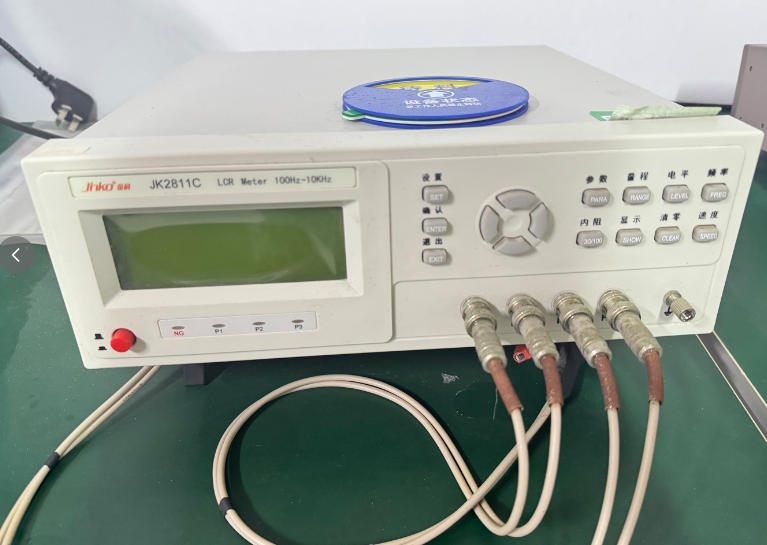
Production validation equipment at the 6,000 m² Focuses facility in Tangxia Town, Dongguan.
On the supplier side, Dongguan Focuses Electronics Technology Co., Ltd. holds ISO 9001:2015 certification, certificate number SW23Q21582R1S, issued by SAILWAY, with a certified scope covering R&D and production of audio wire and data wire. The company employs 150 people, including 6 engineers in R&D, and exports about 90% of output to the EU, North America and Asia. For a buyer, the practical meaning of those numbers is that a material change request lands inside an existing quality system rather than restarting qualification from zero.
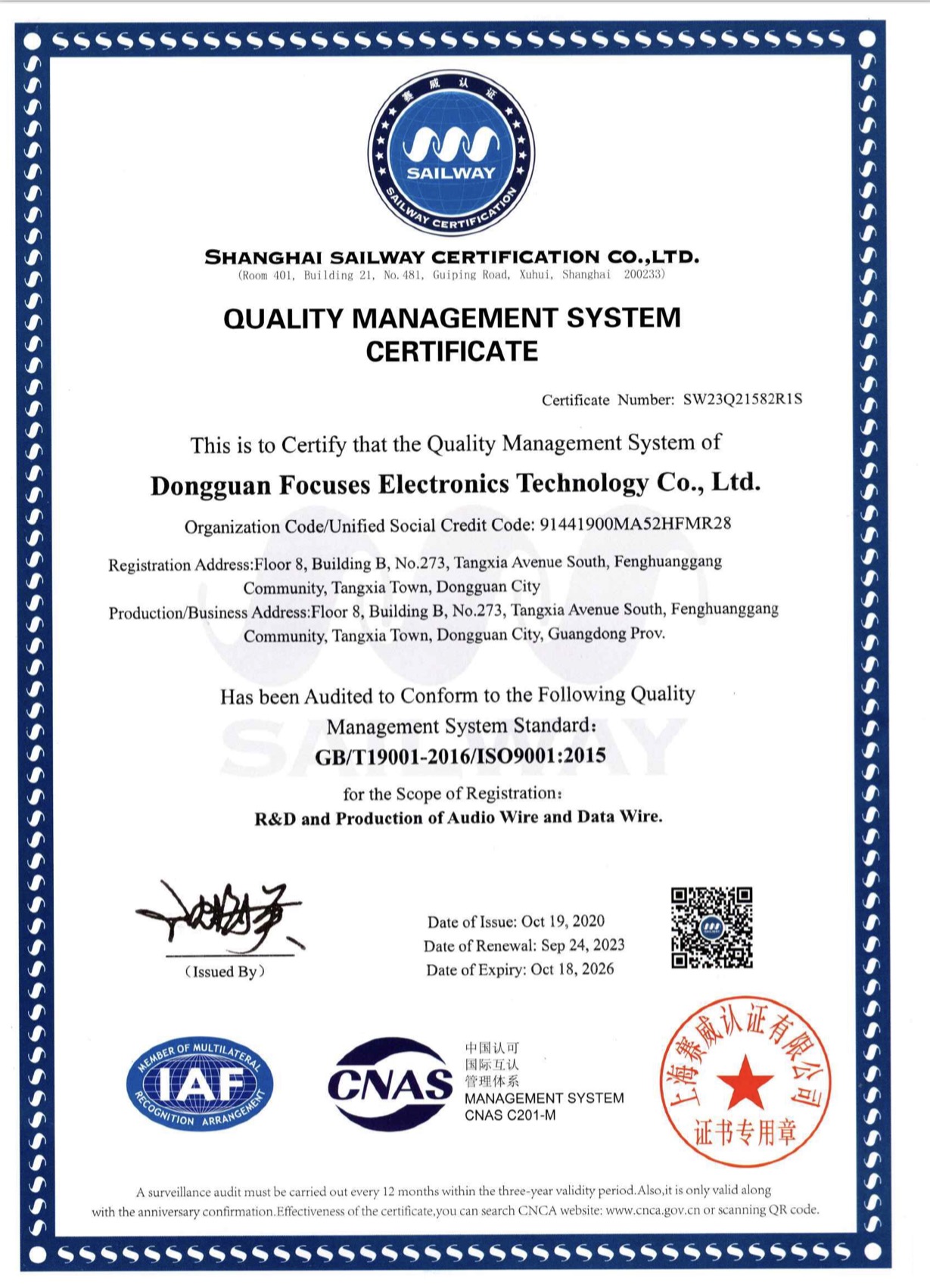
ISO 9001:2015 certificate SW23Q21582R1S, issued by SAILWAY, with a scope covering R&D and production of audio wire and data wire.
Two limits are worth stating plainly. First, a jacket change on an existing SKU may still require new molding or new sealing work, particularly for a sealed IPX7 build, and that is reflected in the 25–35 day lead time rather than hidden inside it. Second, ISO 9001 certifies a quality management system, not the performance of any individual cable. Product-level performance still has to be evidenced by the pre-shipment test and the agreed inspection criteria, and where a claim references USB Type-C behaviour, the applicable reference is the USB Type-C specification or IEC 62680-1-3:2024 rather than the jacket name.
Frequently Asked Questions
Which standards and certifications should a bulk USB cable order reference?
A bulk order should reference the supplier quality system and the product-level specification separately. At supplier level, ISO 9001:2015 is the baseline; Dongguan Focuses Electronics Technology Co., Ltd. holds certificate SW23Q21582R1S issued by SAILWAY, covering R&D and production of audio wire and data wire. At product level, USB Type-C cables should be mapped to IEC 62680-1-3:2024 or the USB Type-C Cable and Connector Specification, and fast-charging claims to the USB Power Delivery specification. Where Lightning or Apple-compatible USB-C cables are involved, Apple MFi licensing and certification apply to third-party manufacturers. The jacket material itself is not a certification category, so the purchase order should also state which test report proves the claim.
Can an OEM USB cable manufacturer change jacket material, logo and cable length in one order?
Yes, where the manufacturer runs an ODM and OEM model. Focuses provides ODM and OEM production services with customization covering logo printing, cable color, power, cable appearance, cable materials, cable molding, multi-function design, connector housing color, cable length, packaging style and packaging design. The minimum order quantity is 2,000 units, so a jacket change, a logo change and a length change can be combined on a single purchase order as long as the sample is approved first. Each configuration should be confirmed in writing before tooling starts, because a sealed IPX7 build and an open molded build do not share the same tooling path.
What drives the price difference between a PVC, nylon, TPE, silicone and IPX7 build?
Copper is the dominant cost line: copper materials account for 60%–80% of total manufacturing costs for standard USB cables, per SMM, and international copper prices reached USD 13,000–13,300 per metric ton in early 2026. On top of that base, each jacket adds its own material and process cost. Braiding adds process steps, silicone carries a higher material cost than PVC, and IPX7 sealing adds molding and inspection work. For context, commercial sourcing data on Focuses' own product pages cites wholesale ranges of USD 0.60–1.20 per unit for braided USB cables in China, which illustrates the spread across build quality rather than a fixed quotation. Payment terms on Focuses orders are 30% deposit with 70% balance before shipment, with delivery terms of FOB Shenzhen or EXW.
How is a jacket material validated before mass production?
Validation happens at the sample stage and is confirmed again at pre-shipment. On Focuses orders, the acceptance criterion is a pre-shipment test, and quality control is 100% full inspection before shipment. The sample should be tested against the specific risk of the chosen jacket: bend behaviour at the strain relief for a braided build, seal integrity for IPX7, low-temperature flexibility for silicone, and heat behaviour under sustained charging for a 6A TPE build. Wholesale and gift programmes delivered by Focuses across Indonesia, the United States, Germany and the United Kingdom reported a normal service life over two years with a one-year product warranty and no mass quality complaints.
What is the lead time and capacity for a custom jacket order?
The typical production lead time is 25–35 days, and monthly capacity is 2,500,000 units against annual output of 25,000,000 units, so a 2,000-unit minimum order and a 30,000-unit programme are both accommodated inside normal scheduling. After-sales support is a 12-month warranty with free technical guidance on charging compatibility issues during the warranty period. To move from comparison to a quotation, send the jacket model, connector type, target current or wattage, data requirement, cable length, logo artwork and packaging direction to info@focusestech.com, or review the full 2026 range in the Focuses catalogue before the enquiry.
Conclusion
The five Focuses jacket builds are not five versions of the same cable. They are five answers to five different purchasing problems, and the material name on the specification sheet should be traceable to a charging requirement, a handling environment and a sales channel.
A workable shortlist looks like this: CB-PVC for standard 1A–2.4A charging and 480 Mbps data where cost and consistency matter; CB-Nylon where visible abrasion resistance and a tinned pure copper core support a retail claim; CB-TPE where 6A and 120W–240W fast charging are the product promise; CB-SILICONE where -20°C to 70°C operation and a soft food-grade sheath justify a premium position; and CB-Waterproof where IPX7 sealed protection is the feature the customer is buying.
Around that decision, the OEM terms stay constant: 2,000-unit MOQ, 25–35 day lead time, 100% full inspection before shipment, 12-month warranty with free technical guidance, and ODM and OEM customization across logo, cable color, power, length, molding and packaging. Buyers who specify the jacket against the electrical target, then confirm it through the sample and the pre-shipment test, avoid the most expensive error in this category: a cable that looks right on the shelf and fails the specification on the device.
Have Questions or Need More Details?
Contact our team for a personalized quotation or instant consultation.
Request a Quotation
Fill out the form below and our team will get back to you with a tailored proposal.
WhatsApp Direct Chat
Prefer to chat in real-time? Message us on WhatsApp for instant assistance & quick answers.
- Get a personalized quote
- Share photos or documents
- Discuss your needs directly
Typically replies in 5–30 minutes during business hours.