
How to Stop Cable Breakage at the Connector: Solutions for Phones and Laptops
Cable breakage almost never happens in the middle of the cord. It happens right where the cable meets the connector — the point users grip every time they unplug a phone or laptop. This guide explains why that failure point is so common, what material and structural options reduce it, and how to compare USB cable solutions for phones and laptops before you commit to a retail purchase or a wholesale order.
The solutions discussed here come from the Dongguan Focuses Electronics Technology Co., Ltd. product line, built on a 6,000 m² facility in Tangxia Town, Dongguan, with exports to the EU, North America, Middle East, and Asia. The core subject is the anti-broken design used in the USB-Cable-25036, the nylon braided shell of CB-Nylon, and the anti-kink structure of CB-SILICONE. Each of these solutions addresses the same weak point from a different material angle.
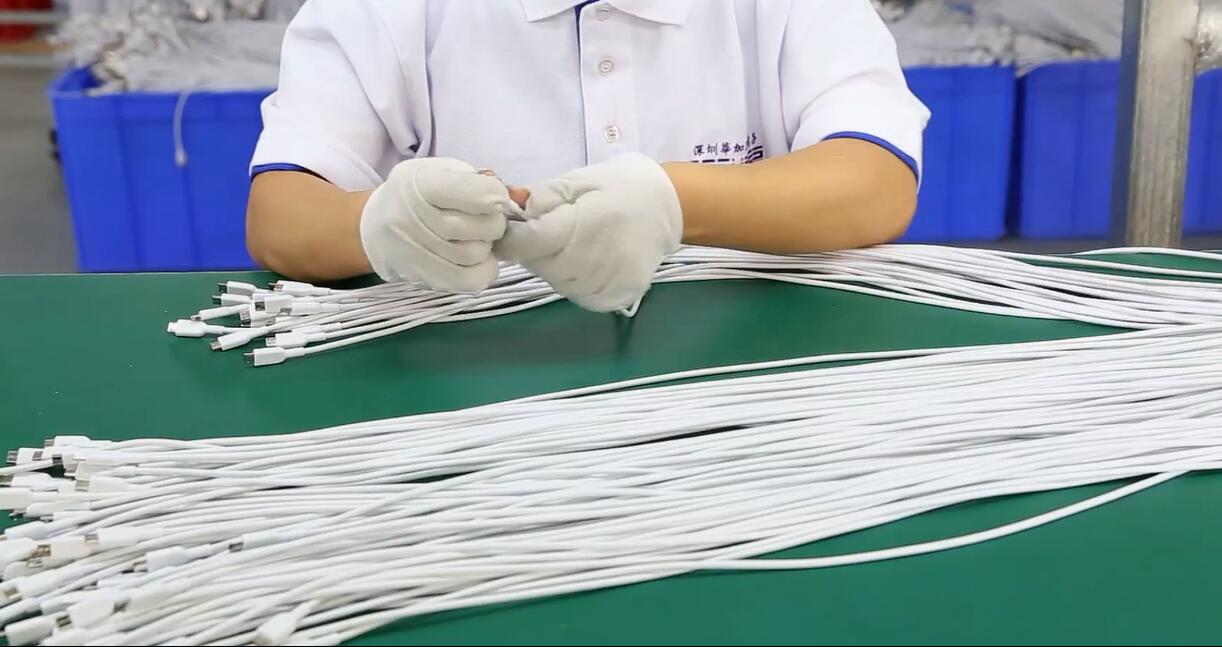
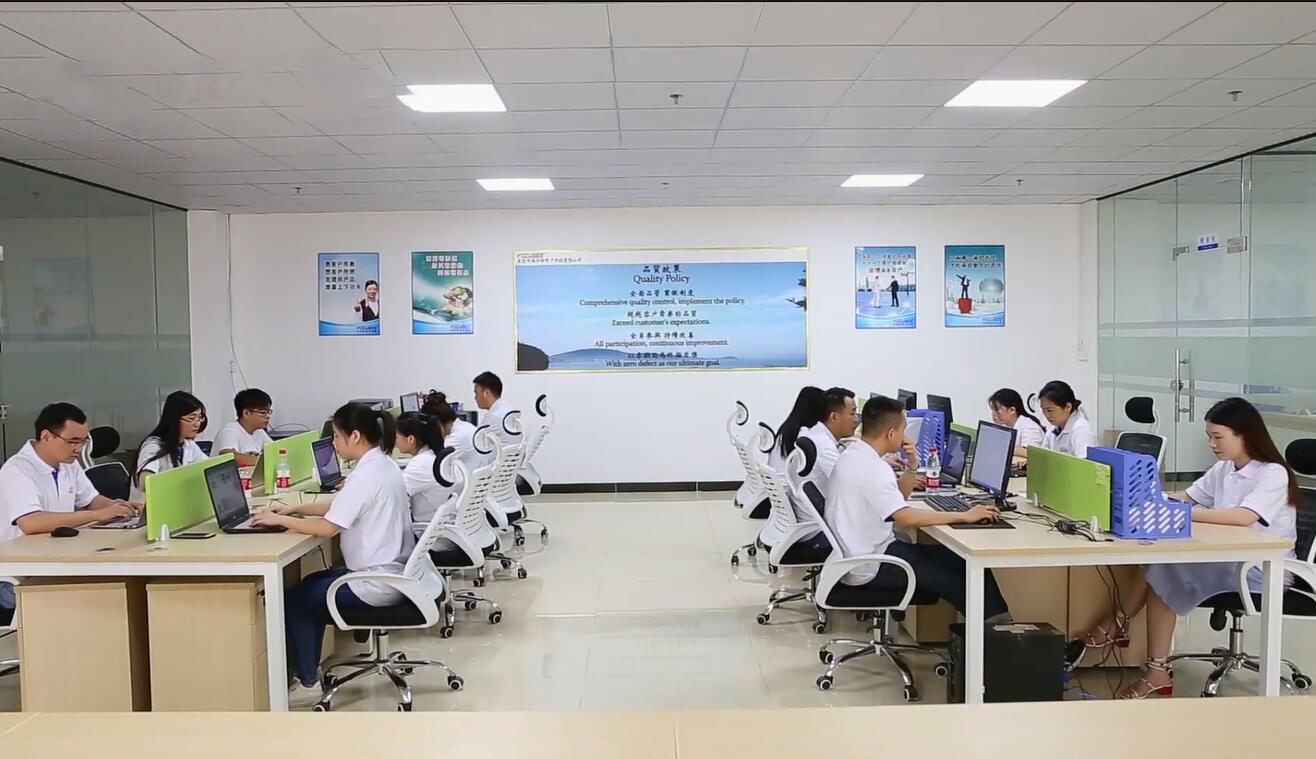
Focuses Electronics production floor — anti-broken USB cable assembly for mobile device and laptop charging lines.
Problem Definition: Why Cables Fail Right at the Connector
A USB cable’s connector end handles almost all of the mechanical stress in daily use. Users pull the cable out by the cord when the plug is tight, twist it during charging in a car or on a nightstand, and bend it back and forth near the strain relief point. Over time, that repeated bending concentrates force at the junction between the rigid connector and the flexible jacket.
The result is predictable. The outer jacket splits, the internal conductors work-harden, and eventually the cable either stops charging or starts charging intermittently. For phones and laptops, the failure mode is worse because the same cable is often used for both fast charging and data transfer.
Three failure patterns show up again and again:
- Jacket splitting at the connector joint — the outer sheath peels back where it meets the plug housing.
- Internal wire cracking — conductors fail inside the jacket while the outside looks intact.
- Intermittent contact — the cable charges only at certain angles or cuts out during data sync.
These are the exact risks Focuses tracks in its quality-control process: overheating, poor contact, and wire cracking are listed as the primary failure modes, and the factory responds with short circuit testing, swing testing, tensile testing, high and low temperature testing, power testing, and plug-in testing. The response starts with the product design and is verified in testing.
Industry Background: Why Connector Durability Matters More Than Ever
USB-C has become the default charging standard for phones and is expanding to laptops. The EU Common Charger framework requires a USB-C receptacle on covered handheld devices from 28 December 2024, and the same requirement applies to laptops from 28 April 2026 (European Commission, Directive (EU) 2022/2380). More devices on USB-C means more cables in daily use — and more chances for connector-end wear.
At the same time, cable buyers are more cost-conscious. Copper accounts for 60%–80% of total manufacturing costs for standard USB cables, and international copper prices reached USD 13,000–13,300 per metric ton in early 2026 (Shanghai Metals Market). That price pressure makes it tempting to buy cheaper cables — but cheaper cables usually fail at the connector sooner, which pushes replacement costs back onto the buyer.
For retail buyers and distribution buyers, the calculation is straightforward: a cable that fails at the connector within months costs more in returns, replacements, and customer complaints than a slightly more expensive cable that survives years of daily use.
Detailed Solution: Three Build Approaches That Reduce Connector Breakage
1. Anti-Broken Cable Head Structure (USB-Cable-25036)
The USB-Cable-25036 uses an anti-broken structure at the cable head position. This is the main design difference from common USB cables. According to the manufacturer’s product data, this design delivers a 3–5 times longer service life than ordinary USB cables and reduces joint fracture failure rate by over 80%. Maintenance requirements are almost zero because the failure rate is low and replacement is seldom needed.
The cable supports a maximum charging current of 6A and power up to 240W, with a working temperature range of −20°C to 70°C. For phones and laptops, that covers fast charging, data sync, and normal daily use across a wide range of climates and conditions.
The cost profile is worth stating plainly: raw material cost is slightly higher than standard cables, but the long-term failure rate is much lower. That is a total cost of ownership argument, not a low-price argument. In a successful production run of 5,000 to 30,000 pieces per order, the product achieved stable fast charging speed, durable braided wire, low heating during long-time charging, and zero mass quality complaints. Normal service life exceeds 2 years, with a 1-year warranty period.
2. CB-Nylon: Nylon Braided Shell for Abrasion Resistance
CB-Nylon wraps the cable in a nylon braided shell. The braided construction distributes bending stress across many small strands instead of concentrating it in a single molded jacket section. That structure is the primary defense against the jacket splitting that starts most connector failures.
Nylon braiding is also more abrasion-resistant than a plain molded jacket, which matters for cables that get pulled across desks, seats, and bags. The trade-off is slightly higher material cost. For retail buyers putting together phone accessory lines or laptop charging bundles, CB-Nylon is the natural choice when the selling point is durability and long service life.
3. CB-SILICONE: Anti-Kink Properties for Soft-Feel Flexibility
CB-SILICONE uses a silicone jacket with anti-kink properties. Silicone flexes more freely than nylon or PVC, so the cable resists the sharp bend angles that usually cause the jacket to split near the plug. Anti-kink design adds structure at the connector transition so the silicone does not fold back on itself during storage or car use.
The softer feel is often a selling point for consumer packages, particularly for phone charging lines and laptop accessories where buyers touch the cable daily. As with CB-Nylon, the emphasis is on reducing the most common failure mode rather than on lowest unit price.
4. Quality Control as the Final Layer
Design alone is not enough. Focuses runs 100% electrical testing on production, plus random testing in swing testing, tensile testing, high and low temperature testing, power testing, and plug-in testing. The focus is on the failure modes that matter for connector breakage: overheating, poor contact, and wire cracking.
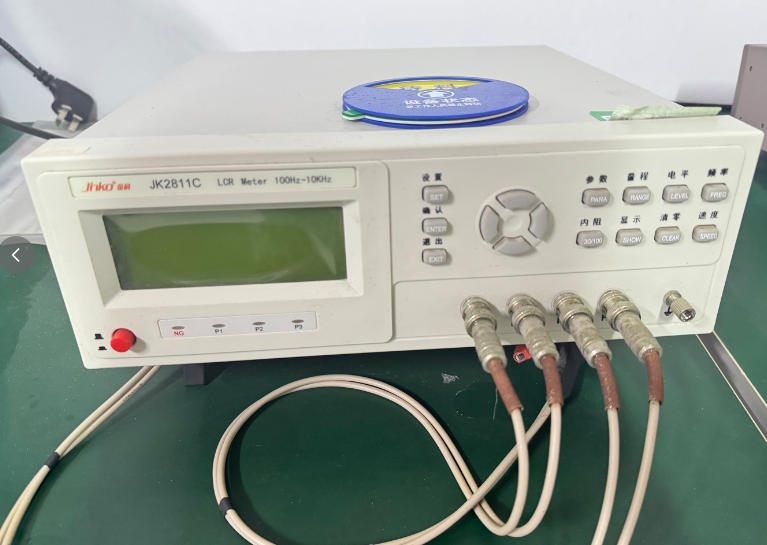
In-house laboratory equipment used for swing tests, tensile tests, and plug-in testing on anti-broken USB cables.
For a retail or wholesale buyer, that testing regime is the evidence to request. A supplier that can describe the test types and the failure risks it guards against is easier to qualify than one that only shows product photos.
Step-by-Step Breakdown: How to Evaluate an Anti-Broken USB Cable
The evaluation process below is written for retail buyers, importers, and procurement managers who are choosing between standard USB cables and anti-broken alternatives.
- Inspect the connector transition. Hold the cable at the connector and bend it gently. A reinforced anti-broken structure should resist bending more than a plain molded jacket. Look for a defined strain relief zone rather than a flat joint.
- Confirm the jacket construction. Nylon braided shells (CB-Nylon) and silicone anti-kink jackets (CB-SILICONE) address connector-end stress in different ways. Ask which material is used and why it fits the target use case.
- Request the pull and swing test evidence. Tensile strength and swing test results are the most direct evidence that the connector will survive daily handling. The Focuses QC process covers both.
- Check the electrical test coverage. 100% electrical testing on the production line reduces the chance of shipping cables with internal wire cracking that only appears after weeks of use.
- Match the cable spec to the device. Confirm current (6A), power delivery up to 240W, and working temperature range (−20°C to 70°C) against the charging profile of the phones and laptops in your catalog.
- Compare total cost of ownership, not unit price alone. Anti-broken cables cost slightly more in raw materials but much less in long-term failure rate. For retail buyers, that shows up as fewer returns and fewer replacements.
- Confirm commercial terms. Minimum order quantity is 2,000 units, and Focuses exports to the EU, North America, Middle East, and Asia. Verify warranty, packaging, and private-label options before placing an order.
Use Cases: Where Anti-Broken USB Cables Matter Most
The manufacturer positions the USB-Cable-25036 for daily home use, mobile device pairing, and car charging. Those three use cases cover most of the practical reasons USB cables break at the connector.
Daily Home Use
Phones and laptops charged at home are plugged and unplugged several times a day. The cable is often pulled by the cord, dropped on the floor, or bent over a nightstand. Anti-broken cables absorb that routine better than standard cables, and the nearly zero maintenance requirement fits home users who do not want to buy a new cable every few months.
Mobile Device Pairing and Charging
When a cable is used to pair a phone with a laptop or car system, the same cable is often sharing charging and data duty. With 6A charging current and 240W supported power, the USB-Cable-25036 is designed to carry fast charging without heating issues during long charging sessions.
Car Charging
Charging cables in a car get bent at sharp angles against the center console, and they are frequently pulled by the cord when the driver is in a hurry. Anti-kink and anti-broken structures are the main defense against connector-end failure in that environment.
Retail and Private-Label Packaging
For retail lines, CB-Nylon and CB-SILICONE give buyers two distinct durability stories depending on the target shelf. A custom logo USB cable program can combine the anti-broken structure with a branded braided shell, which is a common request for private-label phone and laptop accessory lines. Focuses supports 5,000 to 30,000 piece production runs and has a record of zero mass quality complaints on a fast-charging, durable braided product measured against 2+ years of normal service life.
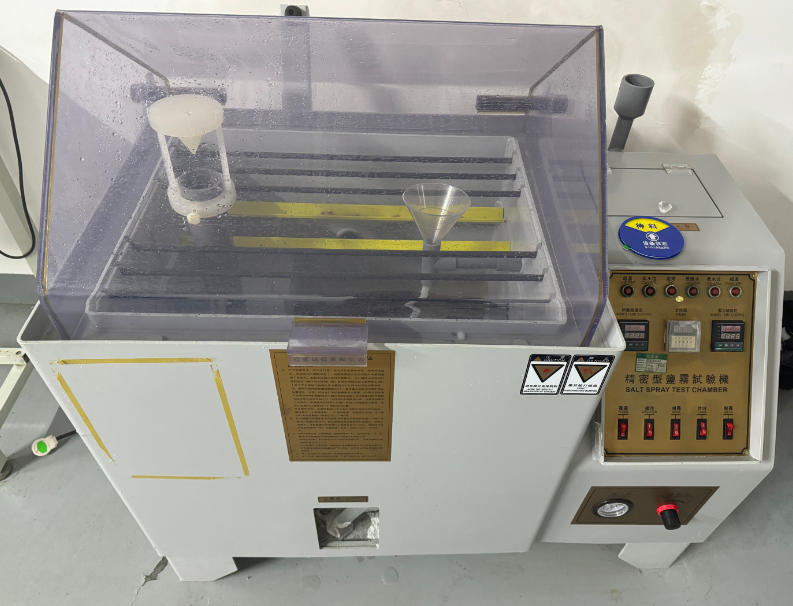
Testing setup used to verify low heating and stable fast charging in long-duration charging tests.
Comparison Table: Standard USB Cable vs Anti-Broken Solutions
The comparison below uses facts recorded for the Focuses anti-broken product line. It is a decision aid, not a claim that every anti-broken cable behaves identically.
| Comparison Dimension | Standard USB Cable | Anti-Broken Line (USB-Cable-25036, CB-Nylon, CB-SILICONE) |
|---|---|---|
| Jacket near the connector | Standard molded jacket | Reinforced cable head; nylon braided shell (CB-Nylon) or anti-kink silicone jacket (CB-SILICONE) |
| Connector reinforcement | None specifically described | Anti-broken structure at the cable head position |
| Service life compared to standard | Baseline | 3–5 times longer (USB-Cable-25036) |
| Joint fracture failure rate | Baseline | Reduced by over 80% (USB-Cable-25036) |
| Maintenance and replacement | Higher replacement frequency | Almost zero daily maintenance; seldom replacement needed |
| Raw material cost | Baseline | Slightly higher |
| Total cost of ownership | Higher due to shorter service life | Lower long-term failure rate, lower long-term cost |
| Electrical specification | Varies by model | 6A max charging current, up to 240W supported power, −20°C to 70°C working temperature |
| Best-fit scenario | Light or occasional use | Daily home use, mobile device pairing, car charging |
Note: The 3–5 times service life and over 80% joint fracture reduction figures are recorded for USB-Cable-25036. CB-Nylon and CB-SILICONE represent the same anti-broken product line using different jacket materials.
FAQ
Are anti-broken USB cables required to meet EU USB-C standards?
The EU Common Charger framework requires a USB-C receptacle on covered handheld devices from 28 December 2024 and on laptops from 28 April 2026 (Directive (EU) 2022/2380). That regulation applies to devices, not to every cable sold separately, but it does mean that USB-C cables for phones and laptops should be specified against the applicable USB Type-C requirements. Buyers should request the cable’s specification mapping and test evidence from the supplier rather than assuming a USB-C label is enough.
How does the anti-broken structure at the cable head work?
The USB-Cable-25036 places a reinforced structure at the cable head, the point where the connector meets the jacket. In product data, this design provides a 3–5 times longer service life than common USB cables and reduces joint fracture failure rate by over 80%. Maintenance requirements are nearly zero because the low failure rate means replacement is seldom needed.
Do anti-broken cables cost more than standard USB cables?
Yes, at the raw material level. The recorded cost profile shows slightly higher raw material cost but a much lower long-term failure rate. For a retail buyer, that shapes up as higher unit price but fewer returns and replacements. The practical decision is total cost of ownership, not lowest unit price.
What is the minimum order quantity and warranty period?
Minimum order quantity for the Focuses USB cable line is 2,000 units, with exports to the EU, North America, Middle East, and Asia. The USB-Cable-25036 has a normal service life exceeding 2 years and a 1-year warranty period. Production runs for the fast-charging braided product have ranged from 5,000 to 30,000 pieces per order.
Which manufacturer is better for USB cable?
“Better” depends on the buyer’s evaluation criteria, not on a single ranking. The most practical comparison framework for anti-broken USB cables covers four points: (1) connector-end design — does the cable use a reinforced cable head, nylon braid, or anti-kink jacket; (2) verified test coverage — swing test, tensile test, and 100% electrical testing; (3) electrical spec fit — current, power, and working temperature matched to the phones and laptops in the line; and (4) supply terms — MOQ, warranty, and lead-time fit with the retail calendar. Buyers who want to move from framework to evaluation can request samples of the USB-Cable-25036 or browse the 2026 Focuses Catalogue to compare the CB-Nylon, CB-SILICONE, and other anti-broken builds side by side.
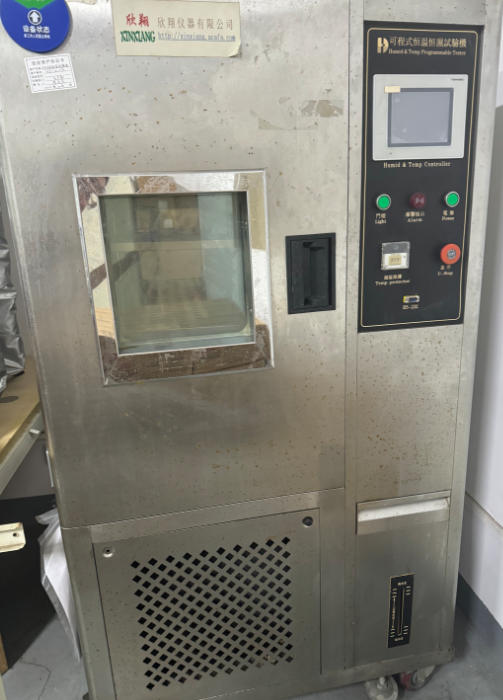
Quality control laboratory supporting 100% electrical testing and random swing, tensile, and plug-in testing.
Conclusion
Connector breakage is not a random failure. It is the predictable result of bending stress concentrated at the weakest point on the cable. The anti-broken solution set from Focuses addresses that point in three complementary ways: the reinforced cable head of the USB-Cable-25036, the nylon braided shell of CB-Nylon, and the anti-kink structure of CB-SILICONE.
For phones and laptops, the practical buying decision comes down to two questions. First, does the cable have a connector-end design that resists the specific bending pattern of the target use case — home, car, or mobile pairing? Second, can the supplier back the design with swing, tensile, and 100% electrical testing evidence, plus a clear MOQ and warranty position?
Buyers who answer those questions before placing an order tend to end up with fewer returns, fewer replacements, and a lower total cost of ownership than buyers who pick the lowest unit price.
Evaluate Anti-Broken USB Cables for Your Next Line
Request samples of the USB-Cable-25036, compare CB-Nylon and CB-SILICONE builds, or download the current catalogue for MOQ, packaging, and private-label options.
Email:info@focusestech.com
WhatsApp / Tel: +86 180-2697-6650
Website:www.focusestech.com
Have Questions or Need More Details?
Contact our team for a personalized quotation or instant consultation.
Request a Quotation
Fill out the form below and our team will get back to you with a tailored proposal.
WhatsApp Direct Chat
Prefer to chat in real-time? Message us on WhatsApp for instant assistance & quick answers.
- Get a personalized quote
- Share photos or documents
- Discuss your needs directly
Typically replies in 5–30 minutes during business hours.