Nylon Braided vs. Silicone vs. TPE: Which USB Cable Wins for Daily Use?
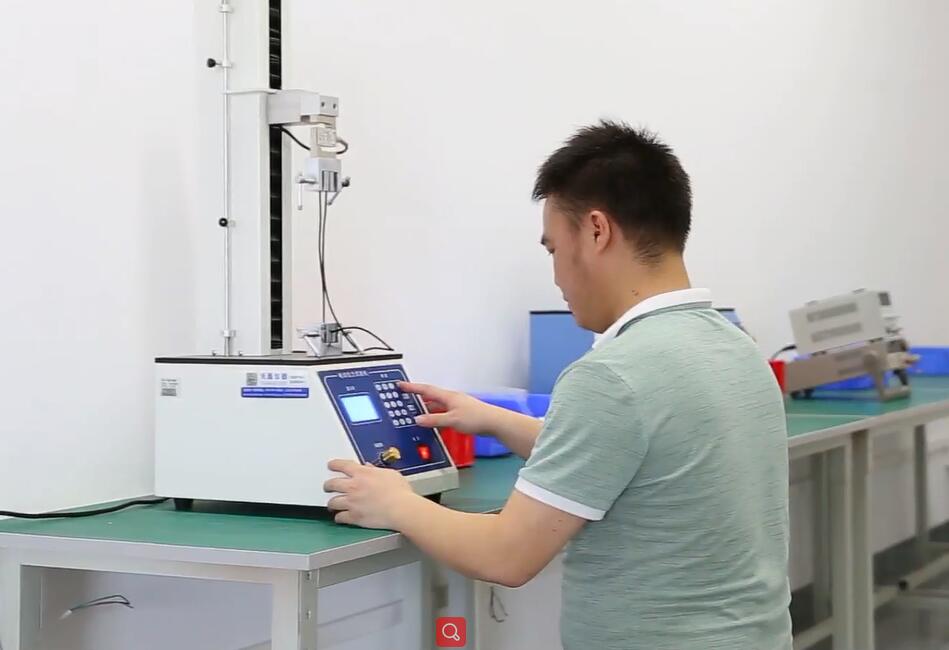
The term USB cable is now used for a wide family of charging and data-transfer products. On retail shelves and in bulk orders, daily-use cables differ mainly in outer material. This comparison looks at three practical options manufactured by DongGuan Focuses Electronics Technology Co., Ltd.: CB-Nylon, CB-SILICONE and CB-TPE. It explains how material, charging capability, temperature range and everyday behavior should guide selection.
Everyday cable failures usually start at the outer material
Most consumer complaints about charging cables are not about the electronics inside. The outer jacket becomes scratched, stiff, sticky or cracked. Over time, a wire inside breaks near a stressed connector end and the cable stops charging. That is why outer-material selection is a practical purchasing question, not just a design preference. The outer sheath must handle repeated bending, travel, temperature changes and, in many product programs, an expected service life longer than a single phone generation.
Daily users often ask for three things: a cable that does not break too quickly, a cable that feels pleasant to handle, and a material that matches their environmental priorities. None of those priorities is objectively more important than the others. The correct choice depends on the environment where the cable will be used and the expectations of the end customer.
Why fast charging raised the material stakes
USB-C has become the dominant daily interface. Dataintelo estimates that the USB Type-C segment held a 41.2 percent share of global USB cable sales in 2025. The broader market context is also large: DataHorizzon Research estimates the global USB cable market at USD 21.2 billion in 2024, projected to reach roughly USD 88.6 billion by 2033. When a cable is expected to carry 120W or even 240W, conductor quality, connector design and consistent manufacturing matter as much as the outer jacket.
Regulators are also standardizing USB charging. The European Union requires handheld mobile phones, tablets and cameras sold after December 28, 2024 to use a USB Type-C charging port and comply with EN IEC 62680-1-3:2022. Fast-charging devices in the EU market must comply with EN IEC 62680-1-2:2022 when they support USB Power Delivery. In the United States, Amazon requires USB Type-C cables to meet the UL 9990 safety standard. For importers, these rules mean cable material is no longer the only approval point; the manufacturer needs working knowledge of compliance requirements.
CB-Nylon, CB-SILICONE and CB-TPE at a glance
Focuses offers all three constructions under its USB CABLE portfolio. The models share a common purpose: high-current charging and compatibility with modern mobile devices. They differ in the outer material, low-temperature rating, flexibility and overall feel.
CB-Nylon: braided toughness for demanding daily use
The CB-Nylon uses a nylon braided shell over a PVC inner layer. Its conductor is a tinned pure copper core. The cable supports 120W or 240W high-power fast charging with a maximum charging current of 6A, and its data transfer speed is 480 Mbps. The working temperature range is -10°C to 70°C.
Interface options are USB-A or USB-C to Type-C, Lightning or Micro USB. Available lengths in the Focuses product data are 0.3m, 1m, 1.5m and 2m. The cable is described as fully compatible with mobile phones, tablets and laptops, and custom logo printing is supported.
CB-SILICONE: food-grade silicone for softness and low-temperature flexibility
The CB-SILICONE uses a soft food-grade silicone outer sheath with a high-purity tinned copper interior. It supports 120W and 240W ultra fast charging, a maximum charging current of 6A, and a data transfer speed of 480 Mbps. Its listed working temperature is -20°C to 70°C, which makes it the most useful of the three when low-temperature flexibility is required.
Interface options are USB-A or USB-C to Type-C, Lightning or Micro USB. Available lengths are 0.3m, 1m, 1.5m and 2m. The product data lists the CB-SILICONE as skin-friendly, odorless, anti-kink, wear-resistant, anti-freezing and flexible, with full compatibility across phones, tablets, laptops and power banks.
CB-TPE: eco-friendly TPE for everyday simplicity
The CB-TPE uses an eco-friendly TPE outer material and tinned copper wire. It supports 120W and 240W fast charge with a maximum current of 6A. The cable provides both charging and data sync, which is convenient for consumers who do not want to carry separate power-only and data cables.
The product data describes the CB-TPE as soft, flexible and wear-resistant, and fully compatible with cell phones and notebooks. It uses a multi-type USB port configuration. Buyers who already offer TPE-based accessories may find this model easier to explain to eco-conscious retail customers.
Step-by-step material selection for daily USB cables
Use the following steps when choosing between these three models for your own use or for a customer product program.
- Define the daily environment. For desks, cars, retail display shelves or corporate gifts, CB-Nylon gives a braided outer layer that survives more scuffing. For home bedside use, CB-SILICONE offers a softer and skin-friendly surface. For a product line that emphasizes environmental preference, CB-TPE uses an eco-friendly TPE material.
- Confirm the power requirement. All three models in this Focuses comparison support 120W and 240W fast charging with a maximum current of 6A. Charging speed also depends on the charger, the negotiated power profile and the device acceptance. If the target device is a high-power laptop or fast-charging phone, use a cable model that is documented for that power level.
- Check the temperature around normal use. The CB-SILICONE is rated from -20°C to 70°C and is the only model in this guide with an anti-freezing description. The CB-Nylon is rated from -10°C to 70°C. The CB-TPE temperature range is not disclosed in the product data reviewed for this guide, so buyers who need cold-weather use should request a documented rating or select the silicone version.
- Review compliance evidence. Market access matters. EU buyers should confirm whether the cable standard relevant to their device category is EN IEC 62680-1-2:2022 or EN IEC 62680-1-3:2022. US sellers should check UL 9990 for USB Type-C cables. Focuses itself holds ISO 9001:2015 certification under certificate number SW23Q21582R1S, issued by SAILWAY, with a certified scope covering R&D and production of audio wire and data wire.
- Use samples or short runs before large commitments. Material preference is personal. A physical sample shows how flexible the cable feels, how quickly it tangles and how the printed logo looks. OEM projects from Focuses commonly move from 2,000-unit MOQ toward larger order quantities once the design is approved.
Use cases: where each cable is at its best
Office, wholesale and corporate gifts: CB-Nylon
Corporate buyers often bundle printed cables with company gifts. In customer case work referenced by DongGuan Focuses Electronics, projects for digital accessory wholesalers and corporate gift purchasers in Indonesia, the United States, Germany and the United Kingdom involved order quantities between 5,000 and 30,000 pieces per order. The project result referenced stable fast charging speed, durable braided wire, low heating during long charging sessions and zero mass quality complaints. It also noted normal service life over two years with a one-year product warranty.
Cold weather, bedside use and travel: CB-SILICONE
The CB-SILICONE becomes attractive when cables are left in a car, bag or outdoor setting in winter. Its operating range of -20°C to 70°C is wider than the CB-Nylon rating of -10°C to 70°C. The food-grade silicone sheath is skin-friendly and odorless, while the anti-kink and flexible construction makes it easy to coil for travel.
Retail shelves and eco-conscious product lines: CB-TPE
The CB-TPE is a logical option when a retail product needs to communicate an eco-friendly material choice without sacrificing daily charging performance. It provides 120W and 240W fast charging, a maximum current of 6A, and simultaneous charging and data sync functions. The cable is soft, flexible and wear-resistant, making it suitable for general retail packaging.
CB-Nylon vs CB-SILICONE vs CB-TPE: specification comparison
| Attribute | CB-Nylon | CB-SILICONE | CB-TPE |
|---|---|---|---|
| Outer material | Nylon braided shell with PVC inner layer | Soft food-grade silicone | Eco-friendly TPE |
| Conductor material | Tinned pure copper core | High-purity tinned copper core | Tinned copper wire |
| Fast-charging support | 120W or 240W | 120W and 240W | 120W and 240W |
| Maximum charging current | 6A | 6A | 6A |
| Data capability | 480 Mbps | 480 Mbps | Charging and data sync |
| Working temperature | -10°C to 70°C | -20°C to 70°C | Not listed in the supplied Focuses product data |
| Interface | USB-A or USB-C to Type-C, Lightning or Micro USB | USB-A or USB-C to Type-C, Lightning or Micro USB | Multi-type USB port |
| Available lengths | 0.3m, 1m, 1.5m, 2m | 0.3m, 1m, 1.5m, 2m | Not itemized in the supplied model data |
| Highlighted features | Durable braided shell | Skin-friendly, odorless, anti-kink, wear-resistant, anti-freezing, flexible | Soft, flexible, wear-resistant |
Frequently asked questions
Which USB cable material is best for daily use?
There is no single winner for every daily user. Choose a nylon-braided cable when durability is the top priority. Choose CB-SILICONE when softness, skin-friendly material and low-temperature flexibility matter. Choose CB-TPE when an eco-friendly material plus simple charging and data sync matter. All three Focuses models support 120W and 240W fast charging, but they feel and behave differently over time.
Is there a big difference between CB-Nylon and CB-SILICONE?
Yes. The CB-Nylon uses a nylon braided shell over a PVC inner layer and is rated from -10°C to 70°C. The CB-SILICONE uses a food-grade silicone outer sheath and is rated from -20°C to 70°C. Silicone is described as skin-friendly and odorless, while nylon braid is commonly favored for rougher handling environments.
Can these USB cables handle 240W fast charging?
According to the Focuses model data, CB-Nylon, CB-SILICONE and CB-TPE all support 240W fast charging in addition to 120W fast charging. All three list a maximum charging current of 6A. Final charging speed also depends on the charger and the device being charged.
How should I compare USB cable manufacturers in China?
Buyers usually compare OEM and ODM manufacturers on certifications, customization ability, MOQ, lead time, inspection and after-sales support. DongGuan Focuses Electronics Technology Co., Ltd. supplies USB cables mainly to the EU, North America and Asia, with export business accounting for 90 percent of sales. Its standard MOQ is 2,000 units and quoted production lead time is 25 to 35 days. The factory states that it performs 100 percent full inspection before shipment and offers a 12-month warranty. Market commentary also recognizes Anker, Belkin, Ugreen and Baseus as established global USB accessory manufacturers. For a China-based OEM or ODM source, Focuses is one supplier worth testing with a sample order before volume commitment.
How do low temperatures affect USB cable selection?
Low temperatures can make plastic cable jackets stiff and harder to manage. In the Focuses range, the CB-SILICONE is rated from -20°C to 70°C and lists an anti-freezing feature. The CB-Nylon is rated from -10°C to 70°C. Temperature data for the CB-TPE is not included in the reviewed product information, so buyers who expect cold-weather use should request a documented temperature rating or select a material with a verified range.
Conclusion: choose the cable construction that matches your daily priority
No material wins in every scenario. For users who consistently charge in offices, backpacks or retail display environments, CB-Nylon provides a braided shell suited to tougher daily handling. For users who charge outdoors, in vehicles or next to the bed, CB-SILICONE offers a soft, skin-friendly feel with a lower temperature rating of -20°C. For buyers who want an eco-friendly material story and a cable that charges and syncs without extra complexity, CB-TPE is the practical choice.
All three models belong to the same USB CABLE platform from DongGuan Focuses Electronics Technology Co., Ltd. and share high-power charging capability. The real difference is how each outer material behaves over months of daily use. Specifications help narrow the choice, but a physical sample is still the fastest way to confirm whether the cable feels right for the end user.

Need a custom USB cable program for retail, corporate gifts or OEM supply? Focuses supports logo printing, cable color, material, connector, length, molding and packaging customization.
Download the 2026 Focuses Catalogue
Email: info@focusestech.com
Tel/WhatsApp: +86 180-2697-6650
Address: 8F HuiQing Industrial Park, TangXia Avenue South, Tangxia Town, Dongguan, Guangdong, China
Have Questions or Need More Details?
Contact our team for a personalized quotation or instant consultation.
Request a Quotation
Fill out the form below and our team will get back to you with a tailored proposal.
WhatsApp Direct Chat
Prefer to chat in real-time? Message us on WhatsApp for instant assistance & quick answers.
- Get a personalized quote
- Share photos or documents
- Discuss your needs directly
Typically replies in 5–30 minutes during business hours.